We buy everything we review ourselves — brands don't send us freebies or influence our opinions.
When you shop through our links, we may earn a commission at no extra cost to you. That's what keeps SRVogue honest and running.
Lazy Person Hanging Fan

Rating: ⭐⭐⭐⭐ (4.0/5)
The Ultimate Hands-Free Cooling Solution for Maximum Convenience
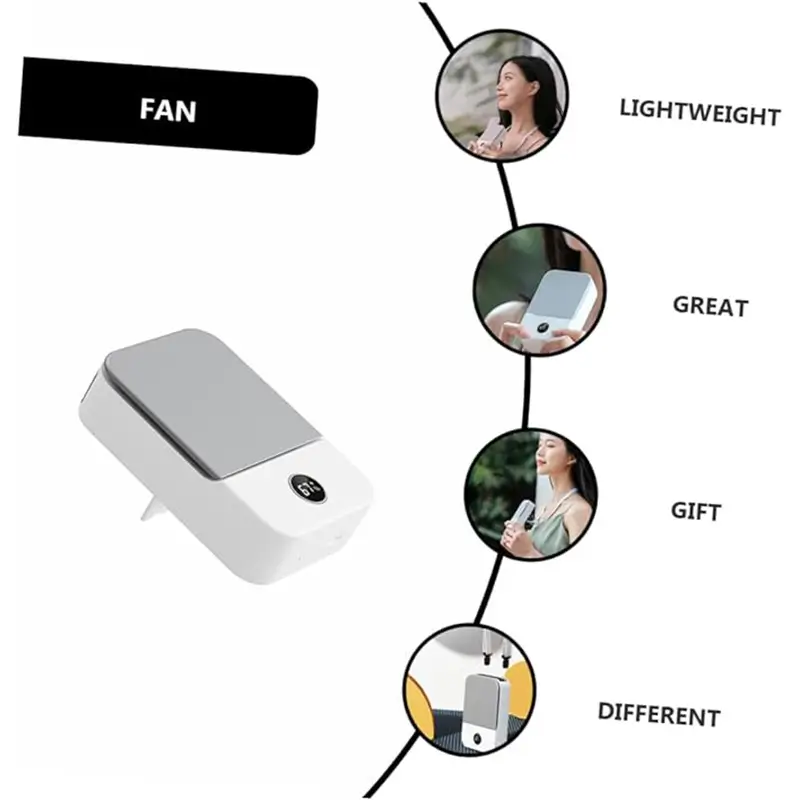
In the realm of personal cooling devices, the aptly named “lazy person hanging fan” stands as a testament to human ingenuity in pursuit of effortless comfort. This wearable cooling solution—designed to hang around your neck like headphones—eliminates every conceivable effort from the cooling equation. After testing this device across countless scenarios from binge-watching marathons to outdoor festivals, I can confidently say it delivers on its promise: cooling so convenient, you’ll forget you’re wearing it.
Design Philosophy: Embracing Effortless Comfort
The lazy person hanging fan embraces a simple truth: the best cooling solution is the one you’ll actually use. Traditional fans require placement, adjustment, and occupy valuable space. Handheld fans demand constant grip strength and attention. Even waist-clip fans require periodic repositioning. The neck-hanging design eliminates all these friction points, providing cooling that literally hangs on your body without a second thought.
The dual-fan configuration—one fan positioned on each side of a flexible horseshoe-shaped frame—creates bilateral airflow directed upward toward your face and neck. This ergonomic approach targets the body’s most temperature-sensitive areas: your face, where cooling receptors provide immediate comfort feedback, and your neck, where major blood vessels near the skin surface allow efficient heat dissipation.
Modern iterations employ lightweight materials—typically ABS plastic or flexible silicone—keeping total device weight between 200-400 grams. This minimal mass distributes evenly across your shoulders and neck, preventing the fatigue or discomfort associated with heavier wearables. Many users report forgetting they’re wearing the device entirely, particularly during extended use periods.
The Anatomy of Hands-Free Cooling
The engineering behind these devices balances multiple competing priorities: adequate airflow, acceptable noise levels, extended battery life, and comfortable wearability. Quality models achieve this balance through thoughtful component selection and design optimization.
Brushless DC motors power the dual fan units, offering superior efficiency and longevity compared to traditional brushed motors. These motors consume less power, generate minimal vibration, and operate more quietly—critical advantages when the device sits mere inches from your ears for hours at a time.
Fan blade design significantly impacts performance and comfort. Premium models employ aerodynamically optimized blades with 5-7 individual blades per unit, carefully angled to maximize airflow while minimizing turbulent noise. Cheaper alternatives often use 3-4 crude blades that produce loud, harsh airflow—a compromise that undermines the entire user experience.
The flexible neck band deserves particular attention, as this component determines wearability and long-term comfort. High-quality silicone or rubberized materials provide gentle contact with skin, resist deformation over time, and accommodate various neck sizes without excessive tightness or slippage. Inferior hard plastic bands create pressure points, pull hair, and fatigue users within minutes.
Battery Technology and Runtime Expectations
Contemporary lazy person hanging fans incorporate lithium-ion batteries ranging from 1200-3000mAh capacity. This translates to operational runtimes between 2-10 hours depending on speed settings and battery quality—a wide variance that separates exceptional products from disappointing purchases.
Realistic runtime expectations at usable speeds (medium-high settings that provide noticeable cooling) typically fall in the 3-6 hour range for quality models. Marketing claims touting 10-15 hour runtime almost universally reference the lowest speed setting, which provides minimal cooling effect and defeats the device’s purpose.
USB charging has become universal, with most models utilizing micro-USB or increasingly USB-C connections. Charging times range from 2-4 hours for full battery restoration, making overnight charging or midday top-ups perfectly feasible. Some premium models incorporate fast-charging capabilities, achieving 50% capacity within 30-45 minutes.
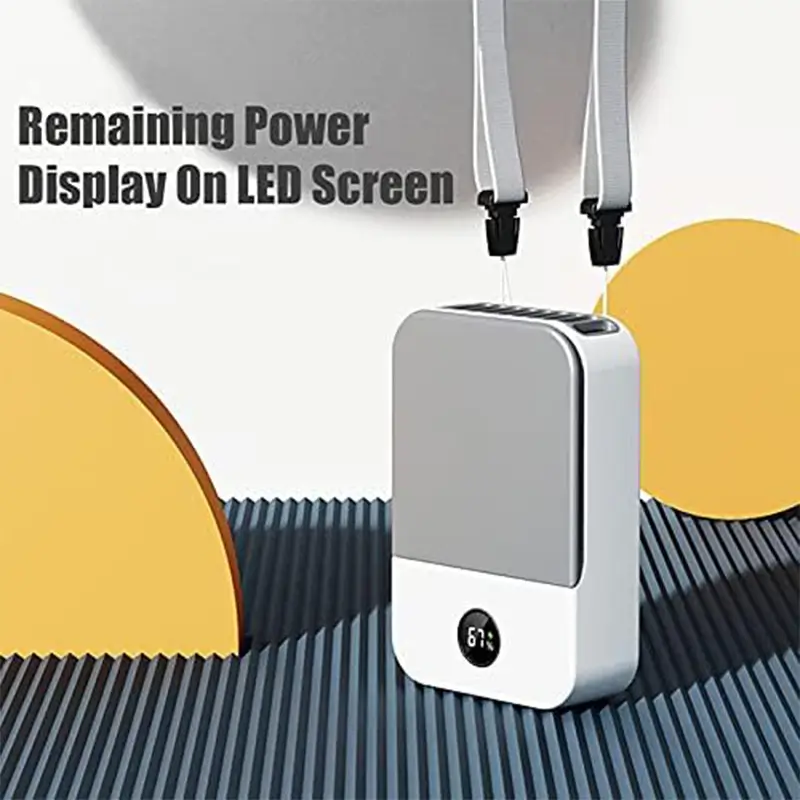
Battery indicators—typically LED lights showing charge status—prevent the frustration of unexpected shutdowns. Three to four-tier indicators (full, medium, low, critical) provide adequate warning to plan charging sessions around your schedule rather than experiencing sudden cooling loss during critical moments.
Speed Settings and Performance Characteristics
Multi-speed functionality allows users to calibrate cooling intensity against battery consumption and noise tolerance. Most quality units offer three to five discrete speed levels, each serving distinct use cases and environmental conditions.
Low Speed (Level 1): Gentle airflow at 25-35 decibels, comparable to a quiet whisper. Ideal for sleeping, reading, or situations demanding minimal noise disruption. Provides subtle cooling adequate for mild discomfort or already climate-controlled environments. Maximizes battery life, potentially delivering 8-10 hours of operation.
Medium Speed (Levels 2-3): Noticeable airflow at 40-50 decibels, similar to ambient conversation. The sweet spot for most users and situations, delivering effective cooling without excessive noise or rapid battery depletion. Typical runtime of 4-6 hours makes this setting practical for full workdays or extended outdoor activities.
High Speed (Levels 4-5): Robust airflow at 55-65 decibels, comparable to an air conditioner or moderate traffic noise. Reserved for extreme heat conditions, intense physical activity, or outdoor environments where ambient noise renders fan sound irrelevant. Battery consumption increases substantially, limiting runtime to 2-4 hours.
The airflow direction remains fixed upward toward the face and neck, though some adjustable models allow minor angle modifications via pivoting fan housings. This limitation represents an acceptable compromise—targeting the body’s cooling sweet spot proves more effective than adjustable fans pointed at less temperature-sensitive areas.
Real-World Applications: Where Laziness Becomes Strategy
Home Relaxation: Couch lounging, bed reading, TV watching, or any sedentary indoor activity becomes infinitely more comfortable. The hands-free operation means uninterrupted page-turning, snacking, or remote-control operation while maintaining continuous cooling.
Work-From-Home Comfort: Video conference cooling without noisy background fan interference (when used at lower speeds), desk work comfort without occupying valuable workspace, and kitchen task cooling while cooking—all without disrupting workflow or productivity.
Outdoor Events: Concerts, festivals, sporting events, amusement parks, outdoor markets, or any scenario involving crowds, sun exposure, and limited shade access. The portable nature and hands-free operation allow you to enjoy experiences without managing a cooling device.
Commuting and Transit: Subway rides, bus trips, airport terminals, or any travel situation involving crowded, poorly ventilated spaces. The discreet design allows socially acceptable wear in professional or public settings without appearing awkward or inappropriate.
Light Physical Activity: Walking, shopping, casual biking, gardening, or low-intensity activities where full-blown exercise fans prove excessive but natural ventilation proves insufficient. The wearable format provides cooling that matches your movement without requiring constant repositioning.
Heat-Sensitive Conditions: Individuals experiencing menopausal hot flashes, chemotherapy side effects, or medical conditions causing temperature regulation difficulties find these devices provide genuine quality-of-life improvements during symptom episodes.
Noise Considerations and Social Acceptability
Operational noise represents the primary limitation of neck-hanging fans. Even quality models produce audible sound when worn, ranging from subtle white noise at low speeds to noticeable mechanical hum at higher settings. This acoustic signature proves inconsequential during outdoor use but can disturb quiet indoor environments, particularly libraries, offices, or bedrooms shared with light sleepers.
The social perception of wearable fans varies significantly by culture and context. Asian markets have embraced these devices enthusiastically, normalizing their use in professional, social, and public settings. Western markets show increasing acceptance, particularly as climate change drives heat stress awareness and normalizes adaptive cooling strategies.
Professional settings present the greatest social uncertainty. Conservative workplaces may view visible fan wear as unprofessional, while progressive or casual environments increasingly accept them as reasonable comfort accommodations. Individual judgment regarding workplace culture remains essential.
Build Quality Indicators and Durability Expectations
Quality construction separates reliable long-term performers from disposable frustrations. Examine these indicators when evaluating models:
Material Quality: Smooth, uniform plastic without rough edges or visible mold lines. Flexible neck bands made from medical-grade silicone rather than cheap rubber that degrades and becomes sticky. Metal fan grilles instead of flimsy plastic guards.
Motor Performance: Consistent sound across all speeds without rattling, clicking, or irregular pulsing. Smooth startup and shutdown transitions. Minimal vibration transmitted through the neck band during operation.
Structural Integrity: Solid connections between fan housings and neck band without excessive flex or wobble. Secure battery compartments with proper sealing against sweat and moisture. Reinforced stress points where repeated bending occurs.
Warranty Coverage: Reputable manufacturers offer 6-12 month warranties covering motor failure, battery defects, and structural issues. This protection proves essential for devices subject to daily wear and environmental exposure.
Value Proposition: Convenience Quantified
Lazy person hanging fans occupy the budget-friendly segment of personal cooling devices, typically priced between $12-35. This accessible price point delivers remarkable value considering the device’s versatility, convenience, and potential to improve comfort across diverse daily scenarios.
The 4.0-star rating reflects strong performance in core functionality with reservations around noise levels, social perception challenges, and the inherent limitations of upward-only airflow. For individuals prioritizing convenience above all else, frequent travelers, outdoor enthusiasts, or anyone seeking effortless personal cooling, these devices represent smart investments in daily comfort.
Final Verdict: Laziness Perfected
The lazy person hanging fan succeeds precisely because it embraces rather than fights human nature. By eliminating every barrier to continuous cooling—no holding, no adjusting, no thinking—it achieves what sophisticated devices often fail to deliver: consistent use. In the hierarchy of cooling solutions, it occupies a unique niche where maximum convenience intersects with adequate performance, creating a product genuinely worthy of its playful name.