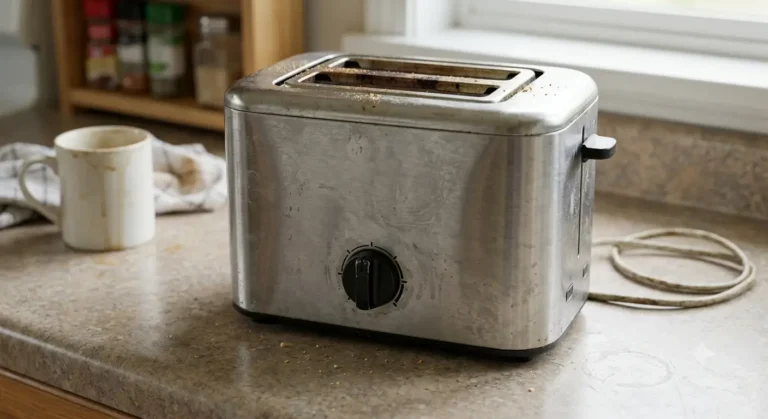
We buy everything we review ourselves — brands don't send us freebies or influence our opinions.
When you shop through our links, we may earn a commission at no extra cost to you. That's what keeps SRVogue honest and running.
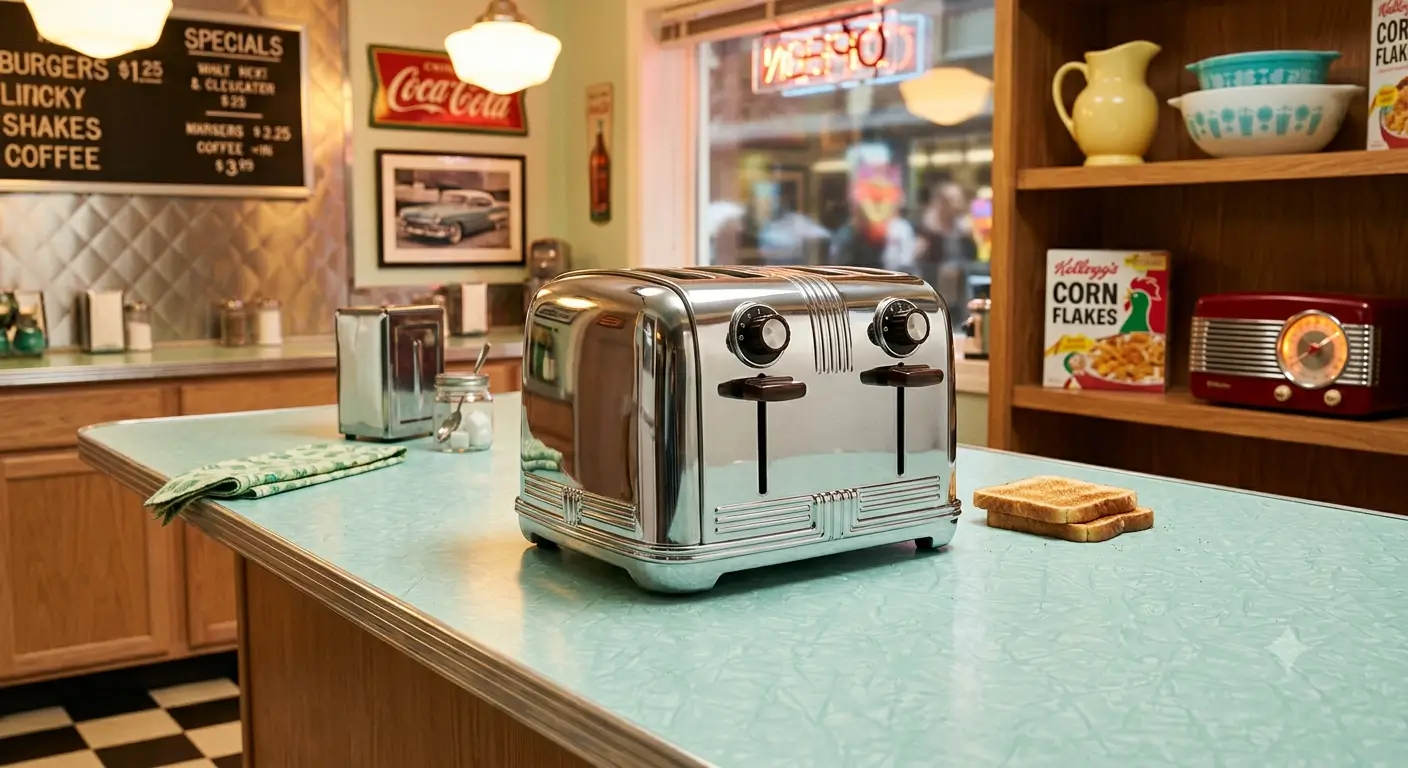
Retro Stainless Steel Toasters: Style Meets Function

Introduction
I’ve always been the person who notices the toaster in someone else’s kitchen before I notice anything else. Weird, I know, but there’s something about a chunky, curved, chrome-finished appliance sitting on a counter that just feels like a personality choice rather than a purely functional one.
For years, I had a plain black plastic toaster that did its job and disappeared into the background. Then I picked up a retro stainless steel toaster almost on a whim, and it genuinely changed how I felt about my kitchen every single morning. That sounds dramatic for a toaster, but stick with me.
If you’ve been eyeing that rounded, diner-style toaster on Pinterest or in a friend’s kitchen and wondering whether it’s worth it, I want to walk you through what I actually learned after living with one.
What Makes a Toaster “Retro Style”?
Before I bought mine, I honestly didn’t know what separated a “retro” toaster from any other stainless steel toaster on the shelf. Turns out it’s a pretty specific look.
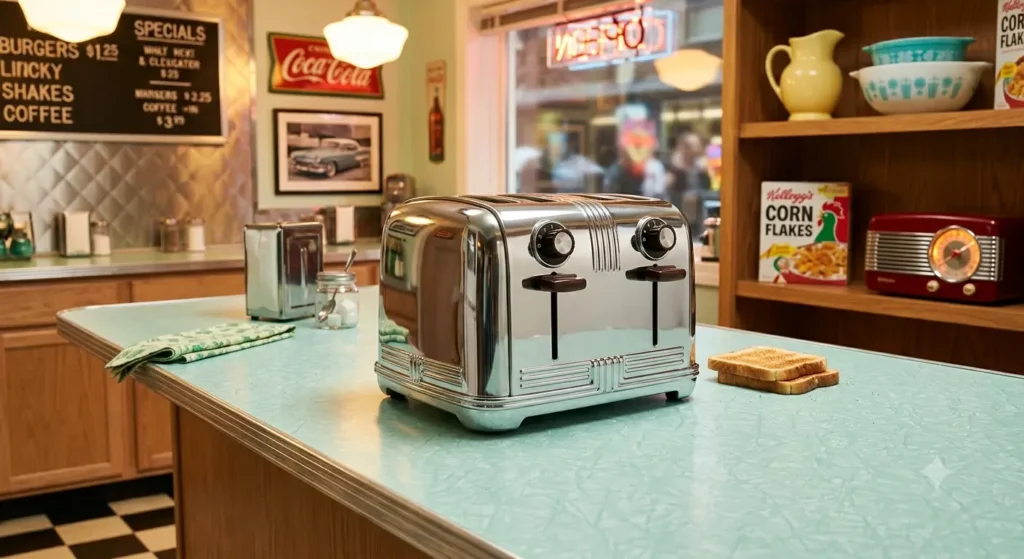
Retro style toasters typically borrow design cues from the 1950s and ’60s — rounded edges, chrome or brushed steel finishes, chunky dials instead of sleek digital displays, and a generally substantial, almost “built like a tank” feel. They’re meant to evoke a diner or mid-century kitchen aesthetic.
Color also plays a big role here. While modern toasters tend to stick to black, white, or basic steel, a vintage style toaster often comes in cream, mint green, baby blue, or candy apple red — colors you don’t see much in current appliance design.
Therefore, “retro” isn’t just a marketing label slapped onto any stainless steel toaster. It’s a specific design language, and once you start noticing it, you’ll see the difference immediately between a true retro piece and something that just happens to be metal-colored.
Why I Switched to a Retro Stainless Steel Toaster
Honestly? It started as a purely aesthetic decision. My kitchen has a lot of warm wood tones and I wanted one statement appliance that felt intentional instead of just “whatever was cheapest at the store.”
However, I didn’t expect to actually prefer using it. The dial-based controls feel more tactile and satisfying than the button-and-display setup on my old toaster, and the build quality is noticeably heavier and sturdier.
I also noticed it photographs well, which sounds shallow, but if you ever post kitchen pics or just like looking at your own counter, that matters more than people admit. For example, my retro stainless steel toaster has become an accidental backdrop in half my breakfast photos without me even trying.
That said, I’ll be honest about the trade-offs too. Mine runs a little hotter than my old toaster on the same setting, so I had to relearn my usual browning level. Worth it for me, but it’s a real adjustment period, not an instant upgrade in every way.
What to Look for in a Vintage Style Toaster
Not every retro-looking toaster performs equally well, and I learned that through a bit of trial and error. Here’s what I’d actually check before buying one:
Genuine stainless steel vs. painted plastic shell. Some budget “retro style” toasters are mostly plastic with a metallic finish. Real stainless steel feels heavier and holds up better over time.
Wide slots. Just like with any toaster, narrow slots limit you to standard sliced bread only. A good retro toaster should still handle bagels and thicker bread without the vintage look getting in the way of actual function.
Even heating, not just style. Because retro toasters are often bought for looks first, it’s easy to overlook performance. Read reviews specifically about toasting consistency before committing.
Cord length and storage. Some retro designs prioritize aesthetics over practical details like a long enough cord or cord wrap underneath. Don’t assume it’s there — check.
Easy-to-clean crumb tray. A removable, slide-out tray matters here just as much as it does on any other toaster, retro or not.
Warranty and brand reputation. Vintage-style appliances vary wildly in build quality, so a solid warranty is worth checking before you fall for the looks alone.
My Top Picks for Retro Kitchen Appliances That Don’t Sacrifice Function
I’m holding off on naming specific brands here since I want this to stay genuinely useful rather than feel like a sales pitch — but here’s how I’d categorize the retro toasters worth considering, based on what matters most to you:
Best overall retro stainless steel toaster: Look for a 2-slice model with a true metal shell, wide slots, and a simple dial control. This combination tends to balance the vintage look with dependable everyday performance.
Best budget-friendly vintage style pick: A smaller retro toaster with a painted steel (rather than fully brushed stainless) finish. You sacrifice a little durability, but it’s a reasonable entry point if you’re testing whether the aesthetic is for you.
Best for color-coordinated kitchens: Retro toasters in cream, pastel, or bold candy colors, often available in matching kettle or mixer sets, which is great if you want a cohesive retro kitchen appliance look across your counter.
Best heavy-duty option: A 4-slice retro model with a fully die-cast metal body, ideal if you’re feeding more than one or two people and don’t want to compromise on either capacity or style.
(I’ll be linking specific products here through my widget once I finish testing more models — check [link to related post] for my broader toaster comparison guide in the meantime.)
Styling Your Kitchen Around a Retro Toaster
Once you bring a retro stainless steel toaster home, it sort of becomes the anchor piece for everything else on your counter, at least it did for mine.
I’d recommend picking one or two complementary retro pieces rather than going all-in immediately — a matching kettle or canister set, for example, rather than replacing every appliance at once. Additionally, open shelving tends to showcase retro pieces better than tucking them into a corner, since part of the appeal is actually seeing them.
Color coordination matters more than I expected, too. A mint green toaster against white subway tile looks completely different than the same toaster against dark wood cabinets, so it’s worth picturing it in your actual space before buying, not just on a showroom counter.
Don’t feel pressured to commit to a full theme overnight, though. I started with just the toaster and added pieces slowly over about a year, which felt a lot more natural — and budget-friendly — than trying to redo my whole kitchen aesthetic at once.
Conclusion
Switching to a retro stainless steel toaster ended up being one of those small purchases that made a bigger difference to my daily routine than I expected. It’s not just about nostalgia — it’s a genuinely solid appliance that happens to look like it belongs in a 1950s diner.
If you’re drawn to that vintage style toaster look, my honest advice is to prioritize real stainless steel and wide slots over color alone, because function still matters even when style is the main draw. Your morning toast routine deserves both.
Have you made the switch to a retro kitchen appliance yet, or still on the fence? I’d love to hear what’s holding you back in the comments, and check out [link to related post] for more small kitchen appliance picks.
FAQs
Are retro stainless steel toasters as functional as modern ones?
Yes, generally, as long as you pick a model with genuine stainless steel construction and wide slots rather than one that prioritizes looks over performance.
Do retro toasters cost more than standard toasters?
Often slightly more, yes, due to the metal construction and design details, though budget-friendly vintage style options do exist.
What colors do retro toasters typically come in?
Cream, mint green, red, baby blue, and classic stainless steel are among the most common, often designed to match other retro kitchen appliances.
Can a retro toaster handle bagels and thicker bread?
It depends on the model, so check for wide slots specifically. Not every vintage style toaster includes them by default.
Where can I learn more about mid-century kitchen design trends?
Resources archives offer good context on where the retro aesthetic actually comes from.