
We buy everything we review ourselves — brands don't send us freebies or influence our opinions.
When you shop through our links, we may earn a commission at no extra cost to you. That's what keeps SRVogue honest and running.
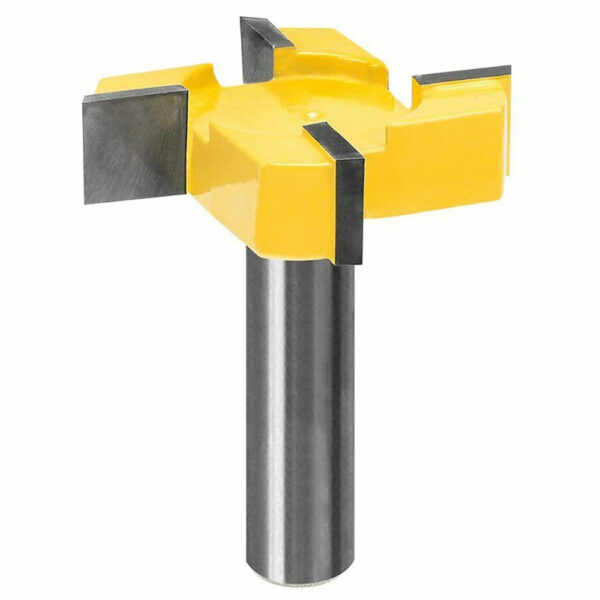
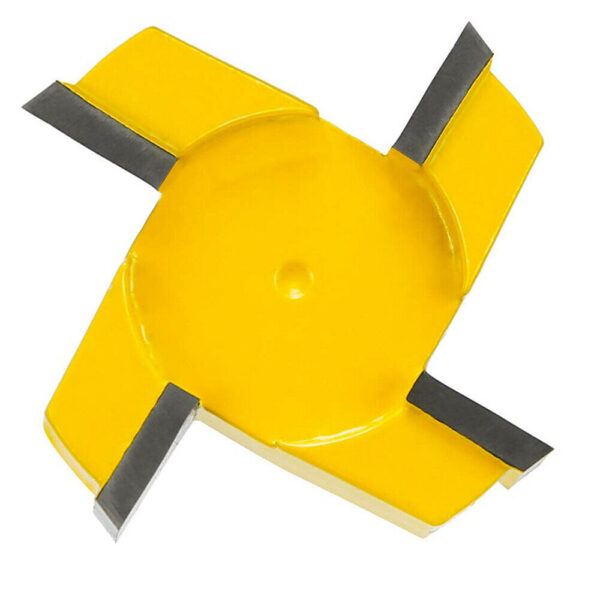
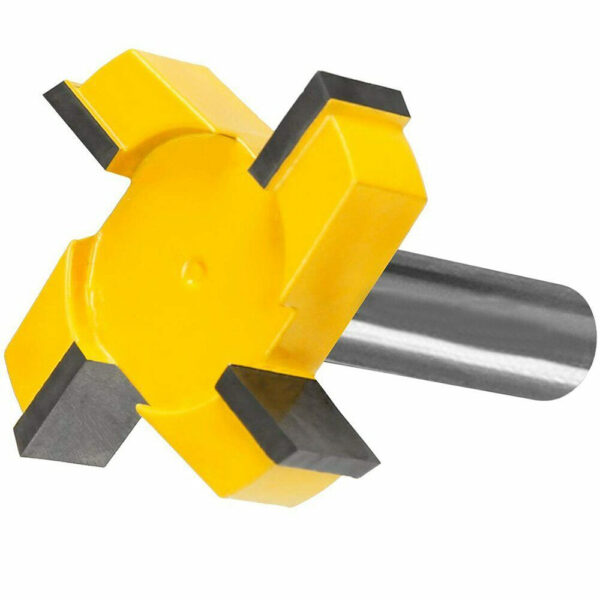
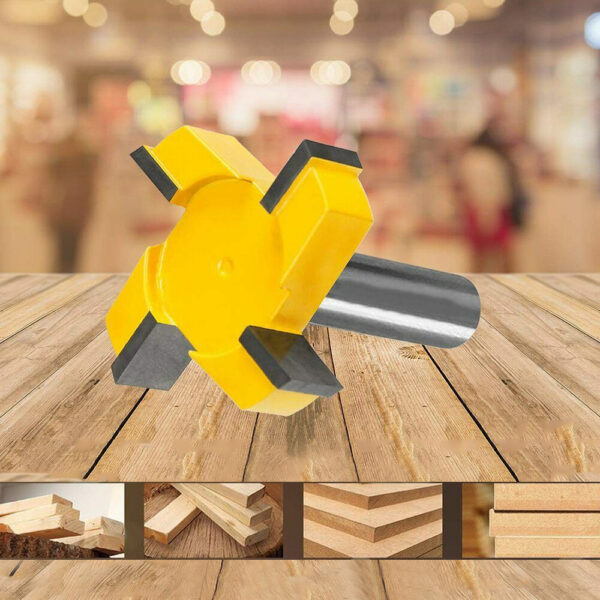
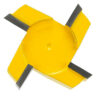
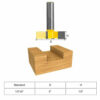
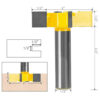
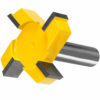
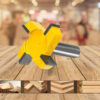
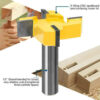
Four-blade T-shaped slotting knife
$5.53
The Four-Blade T-Shaped Slotting Knife is a durable woodworking tool designed for cutting precise slots and grooves with a T-shaped configuration for stability and accuracy.
* 100% brand new and high quality T-Shaped Slotting Knife
* Made of high quality material, durable and convenient to use
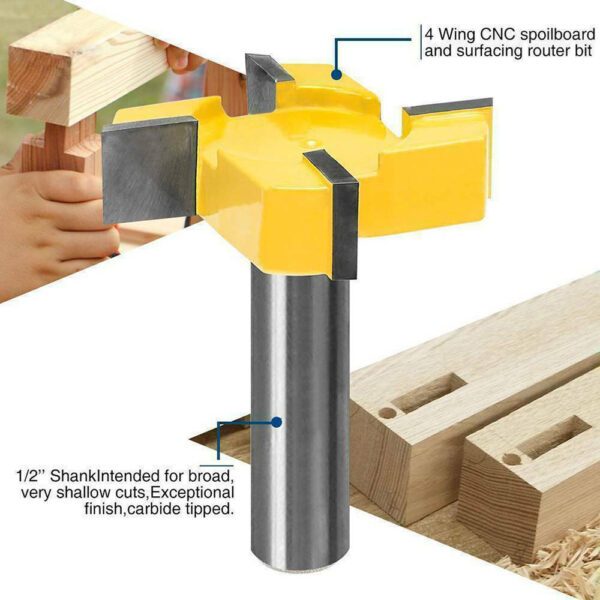
* 1/2 inch CNC panel facing cutter
* Designed to resurface or plan the upper surface of the spoilboard.
* Suitable for wood, particle board such as steel, sand, MDF, compact plywood panel
* 4 wings allow a quick and clean cut on your project material, ideal for projects of any level of complexity
* This carbide tipped drill is specially designed for industrial woodworking applications, the coating is not easy to fall, balanced craftsmanship and a solid hardened steel board these woodworking tools can withstand heavy use and the test of time
* Material: Carbide
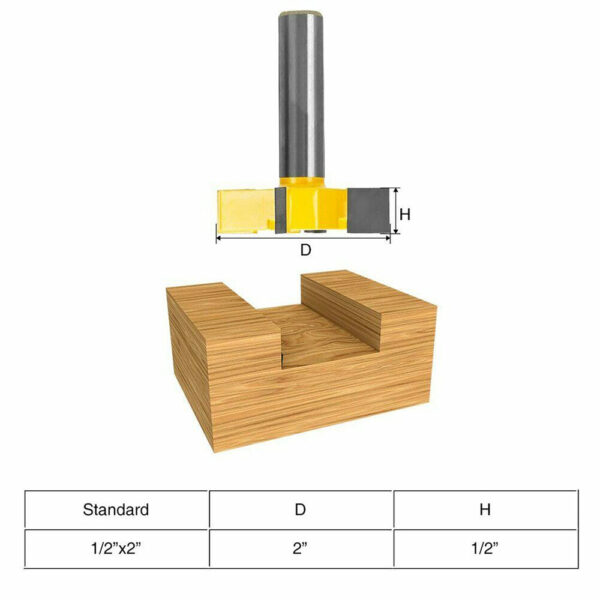
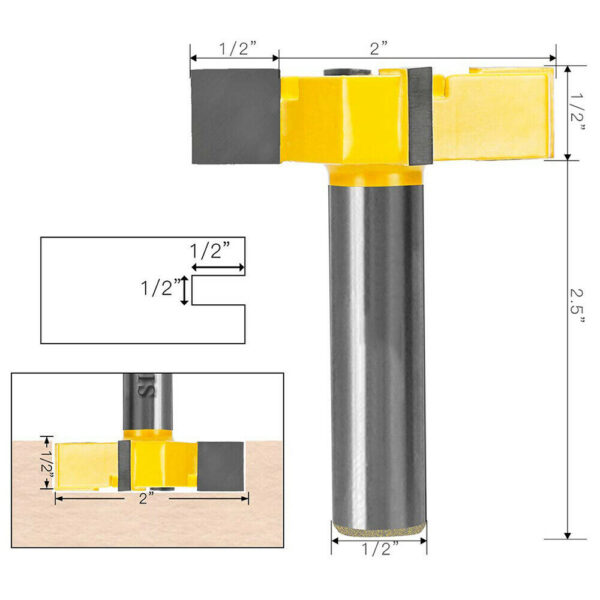
* Rod: 1/2 “(Approx.)
* Cutting diameter: 2 “(Approx.)
* Cutting length: 1/2 “(Approx.)
* Color: as the pictures show
Note: The actual color of the item may be slightly different from the pictures displayed on the website due to many factors such as the brightness of your monitor and the brightness of the light. 


Every woodworker knows that feeling. You’ve set up a project, your measurements are precise, your material is clamped down perfectly — and then the cut comes out slightly off. Not because of the router, not because of your technique, but because the spoilboard underneath has developed low spots and high ridges from months of use. The surface you’re working on isn’t flat anymore, and no amount of skill compensates for an uneven foundation.
That’s exactly the problem the T-Shaped Slotting Knife was made to solve.
This is a 1/2-inch shank CNC panel facing cutter with four carbide-tipped wings. It’s designed for one primary job: running across the surface of a spoilboard or worktable panel to shave it back down to a perfectly flat, even plane. The 2-inch cutting diameter means each pass covers a solid swathe of material, so you’re not making endless tiny overlapping runs to flatten a large surface. You cover ground efficiently, you do it cleanly, and when you’re done, the spoilboard is ready to work on again like it just came out of the box.
The four-wing design is what sets this bit apart from basic two-flute cutters. More cutting edges means the load is distributed across a wider contact area, which does two important things: it produces a smoother surface finish with less chatter, and it reduces the strain on any single edge during cutting. The result is a cleaner cut that requires less sanding afterward and a bit that holds its edge significantly longer before needing replacement. If you’ve used a two-wing surfacing bit before and been frustrated by the ridged finish it leaves behind, four wings are the answer you’ve been looking for. Pick up yours here.
The carbide tips are the material choice that makes this a serious tool rather than a disposable one. Carbide is substantially harder than high-speed steel and holds its cutting edge far longer, particularly when working with abrasive materials like MDF and particle board — which are notoriously tough on cutting tools because of the resins and adhesives in the material. The coating on this bit is applied specifically to resist flaking and peeling even under sustained heavy use. The hardened steel body underneath provides the rigidity and balance that prevents vibration at high RPM, which is what gives you that clean, smooth surface finish rather than a chattery, wave-patterned result.
Speaking of MDF — this bit is right at home with it. MDF, particle board, compact plywood, standard hardwood, softwood, and similar panel materials all fall within the working range of the T-Shaped Slotting Knife. If you primarily work with sheet goods and panel materials in a workshop or CNC setup, this is one of those bits that will earn its place permanently in your toolkit. You’ll reach for it every time a spoilboard needs attention, every time a panel surface needs cleaning up, and every time you need a fast, flat, reliable starting point for a project.
The 1/2-inch cutting length is designed for surface work rather than deep cutting. This isn’t a plunging bit or a deep-slot cutter — it’s a skimming tool, taking consistent shallow passes across a surface to level it out. That geometry is deliberate. The shallow cutting depth combined with the wide 2-inch diameter and four cutting wings means the bit moves through the material with very little resistance, producing minimal tearout and a consistently clean surface even on cross-grain passes.
Whether you’re a hobbyist with a home CNC setup, a furniture maker who runs a workshop, or a professional joiner who puts serious hours into your machinery every week, a flat spoilboard matters. And a flat spoilboard starts with the right surfacing bit. Order the T-Shaped Slotting Knife directly here.
Key Features:
- Specifically designed for spoilboard resurfacing and panel surface planning
- 4 carbide-tipped wings for a cleaner cut and longer tool life than 2-wing alternatives
- 1/2-inch shank — compatible with standard CNC routers and handheld routers
- 2-inch cutting diameter covers more surface area per pass for faster, more efficient surfacing
- Carbide construction resists wear on abrasive materials including MDF and particle board
- Hardened steel body for rigidity, balance, and reduced vibration at operating RPM
- Coating designed to resist flaking and peeling under heavy industrial use
- Works on wood, MDF, particle board, compact plywood, and similar sheet panel materials
- Suitable for all skill levels — from home hobbyists to professional CNC operators
- 100% brand new, machined to industrial woodworking standards
What Can You Use the T-Shaped Slotting Knife For?
The primary use is spoilboard surfacing — that’s what it’s built for and what it does best. But within woodworking and CNC work more broadly, the applications extend further:
Resurfacing worn or pitted CNC spoilboards, flattening warped or uneven workbench surfaces, cleaning up the face of MDF and particle board panels before precision cutting, levelling panel stock for furniture making and cabinet work, preparing surfaces for veneering or laminating, and any project where you need a reliable flat reference surface as your starting point.
A Quick Note on Specifications:
The T-Shaped Slotting Knife has a 1/2-inch shank, a 2-inch cutting diameter, and a 1/2-inch cutting length. The body is carbide with an industrial coating on the wings. It is designed for use in CNC routers and compatible handheld router setups. As with all cutting tools, operating within the recommended feed rate and RPM range for your specific machine and material will give the best results and the longest tool life.
What’s In the Box:
T-Shaped Slotting Knife × 1
Frequently Asked Questions About the T-Shaped Slotting Knife:
Q: What exactly is a spoilboard and why does it need resurfacing? A: A spoilboard — sometimes called a wasteboard — is the sacrificial flat surface that sits on a CNC router table and acts as the base your workpieces are clamped or held against during cutting. Over time, toolpaths cut into the spoilboard, screws and clamps leave marks, and the surface becomes uneven. An uneven spoilboard means your material doesn’t sit perfectly flat, which introduces inaccuracy into every cut you make. Resurfacing it with the T-Shaped Slotting Knife shaves the top layer back down to a consistent flat plane and restores your cutting accuracy.
Q: Can this bit be used on a standard handheld router or only on CNC machines? A: The 1/2-inch shank is compatible with both CNC router spindles and handheld routers that accept 1/2-inch collets, which is the most common collet size on full-size routers. For spoilboard surfacing specifically, a CNC machine gives you the most controlled, consistent result because you can program precise overlapping passes. On a handheld router with a straightedge guide or a sled setup, you can achieve good results too — it just requires more careful manual technique.
Q: Why choose a 4-wing bit over a 2-wing bit for this job? A: Four cutting wings distribute the cutting load more evenly across the bit and the material, which reduces vibration and chatter during the cut. This gives you a smoother surface finish with fewer ridges between passes, and it extends the working life of each wing because no single edge is carrying the full burden. If surface finish quality matters to you — and for spoilboard surfacing it should, because the flatness of your spoilboard directly affects the accuracy of every project you cut on it — a four-wing bit is the right choice.
Q: Is carbide really necessary for this type of bit? A: For spoilboard surfacing specifically, yes. MDF and particle board — the two most common spoilboard materials — are highly abrasive because of the binding resins and fine fibres in the material. High-speed steel bits dull quickly on these materials, which means more frequent replacements and a degrading surface finish as the edges lose sharpness. Carbide holds its edge far longer on abrasive materials, which means more passes before the bit needs replacing and a consistently clean finish across a longer working life.
Q: How deep should each surfacing pass be? A: For spoilboard resurfacing, shallow passes in the range of 0.5mm to 1mm per pass are generally recommended. The T-Shaped Slotting Knife has a cutting length of 1/2-inch, but that doesn’t mean you should cut that deep in a single pass — especially on a CNC machine where accuracy and surface finish are the priority. Lighter passes at an appropriate feed rate give a cleaner result, generate less heat at the cutting edge, and reduce the stress on both the bit and the router spindle.
Q: What materials should I avoid using this bit on? A: This bit is designed for wood-based panel materials — solid wood, MDF, particle board, compact plywood, and similar sheet goods. It is not intended for cutting metals, stone, ceramics, or highly resinous tropical hardwoods that require specialist tooling. Staying within the recommended material range keeps the bit performing well and ensures the cutting edges last as long as possible.
Q: How do I know when the T-Shaped Slotting Knife needs replacing? A: The clearest signs are a degradation in surface finish quality — more ridges, more tearout, less consistent flatness across the cut surface — and an increase in cutting noise or vibration during operation. A sharp carbide bit cuts cleanly and relatively quietly. As the edges dull, the cut gets rougher and the machine works harder. At that point, it’s time for a replacement. The good news is that carbide holds its edge significantly longer than steel, so with proper use you’ll get a generous number of surfacing sessions before replacement becomes necessary.
Q: Is this a good purchase for a hobbyist or is it more of a professional tool? A: Both, genuinely. The T-Shaped Slotting Knife is designed to industrial woodworking standards, which means professionals will get the precision and durability they need from it. But a hobbyist with a home CNC setup benefits just as much — arguably more, because a beginner’s spoilboard often gets chewed up faster as technique is developed, and having a reliable resurfacing tool means you can keep your work surface in good condition throughout the learning process. It’s available to order here regardless of your experience level.
Q: Where can I order the T-Shaped Slotting Knife? A: You can order it directly at this product page. Fast shipping, secure checkout, and a 30-day return policy apply to all orders.


| Weight | 0.34 lbs |
|---|---|
| Dimensions | 100 × 100 × 100 in |
| Color | Yellow |




Reviews
There are no reviews yet.